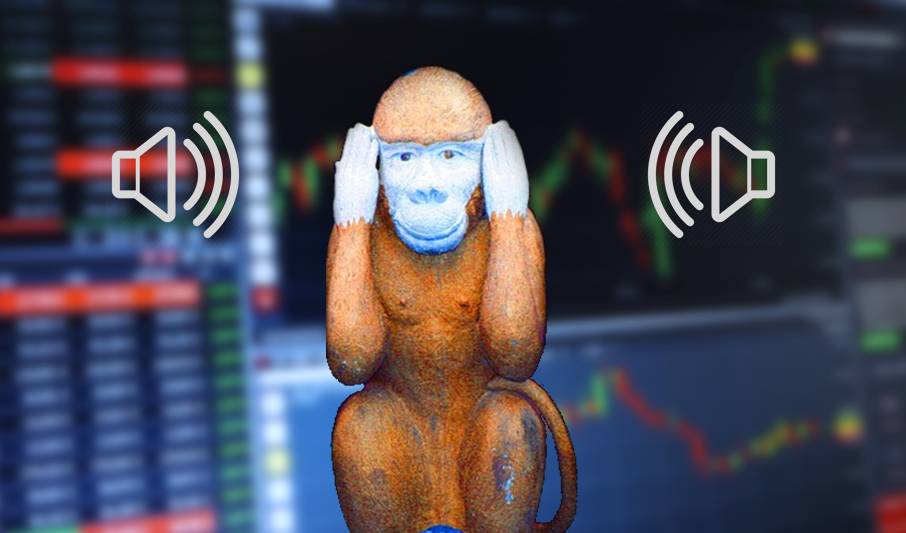
Most investors believe that stock investing is best left to experts. Professionals have experience, access to information, and advanced tools—making it feel safer to follow their advice rather than take independent decisions.
However, this dependence often works against investors. Blind reliance reduces critical thinking and weakens long-term outcomes. Understanding why this happens is the first step toward building a more effective investing approach.
1. The Hidden Risk of Relying on Experts
The investing world is saturated with advice—mutual funds, brokers, wealth managers, and constant stock tips across media platforms. In addition, many investors also depend on opinions from friends and relatives.
The issue is not the availability of advice, but the habit of consuming it without question. Over time, this creates a dependency where investors stop thinking independently and rely on external validation for every decision.
This reduces accountability and prevents the development of a structured investing mindset.
2. Why Experts Are Structurally Handicapped
Mutual Fund Managers
Fund managers operate under continuous performance pressure, with results evaluated quarterly. This forces a short-term focus, often at the cost of long-term value creation.
As a result:
- Portfolio turnover tends to be high
- Decisions are influenced by peer behavior
- Taking contrarian positions becomes difficult
Even when market valuations appear irrational, acting early can be career-risking. This leads to herd behavior, where most decisions align with consensus rather than independent conviction.
Stock Brokers
Brokerage businesses are driven by transaction volumes. Frequent buying and selling increases their revenue, even though long-term investing is typically more beneficial for investors.
This creates a misalignment of incentives. While investors benefit from patience and discipline, brokers benefit from activity and turnover.
3. The Psychological Trap of Outsourcing Decisions
When investors take their own decisions and face losses, they tend to be overly critical of themselves. This discomfort pushes them back toward expert advice.
In contrast, when experts make mistakes, investors are more forgiving. They rationalize the outcome instead of questioning the process.
This behavior reinforces dependency. Investors avoid responsibility, fail to learn from mistakes, and continue relying on external opinions—repeating the same cycle.
4. A Better Approach: Independent, Long-Term Investing
Breaking this cycle requires a shift in mindset. Relying entirely on experts cannot be a substitute for having a personal investing framework.
A more effective approach focuses on:
- Long-term investing horizons (10+ years)
- Selecting fundamentally strong companies
- Buying at reasonable valuations
No strategy eliminates all errors, but a disciplined process improves the probability of success. Mistakes become part of learning rather than reasons to abandon independent thinking.
Over time, this builds confidence, clarity, and consistency—qualities that no external advice can replace.
The Bottom Line
Experts operate within constraints that limit their ability to consistently act in the best interest of individual investors. Depending on them without understanding the process weakens your own decision-making ability.
Sustainable investing success comes from discipline, independent thinking, and a structured approach—not blind reliance on external opinions.
If you liked what you read and would like to put it in to practice Register at MoneyWorks4me.com. You will get amazing FREE features that will enable you to invest in Stocks and Mutual Funds the right way.
Get the Investment Shastra letter
Occasional, practical investing notes from the MoneyWorks4Me desk. No noise, unsubscribe any time.