Market volatility is a part of investing. Prices rise, fall, and react constantly to news, sentiment, and economic cycles.
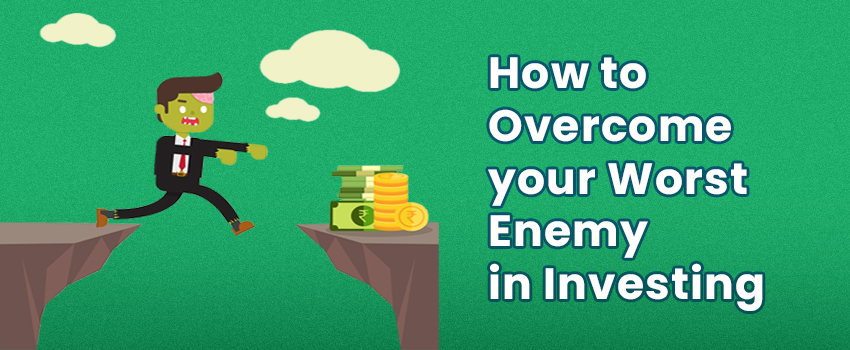
But for most investors, the real challenge is not the market itself — it is managing emotions during those market movements.
Fear during corrections, greed during rallies, impatience during slow periods, and overconfidence after short-term success can all lead to poor investment decisions. Over time, emotional investing often hurts returns more than market volatility itself.
Here are four ways investors can build a more rational and disciplined investing process.
1. Understand Yourself as an Investor
Every investor has a different financial goal, risk tolerance, and emotional response to market movements.
Some investors panic during market corrections. Others become overly aggressive during bull markets. Understanding how you react to gains, losses, uncertainty, and volatility is an important first step toward building a sustainable investment approach.
An investment strategy should align not only with financial goals, but also with the investor’s temperament. A mismatch between the two often leads to impulsive decisions at the worst possible time.
2. Build a Clear Investment Framework
A disciplined investment process helps reduce emotional decision-making.
This includes setting realistic return expectations, understanding the risks involved, defining asset allocation, and deciding how investments will be monitored and reviewed over time.
Without a framework, investors often react emotionally to short-term market movements. With a clear process in place, decisions become more structured and less dependent on fear or excitement.
3. Follow Basic Investing Principles Consistently
Successful investing is usually driven more by discipline than prediction.
One of the most important principles is asset allocation — spreading investments across different asset classes based on risk and return potential. This helps manage volatility and reduce concentration risk.
Another important principle is avoiding speculative behavior. Investments should be made with the objective of long-term wealth creation, not as short-term bets where losing money feels acceptable.
Investors should also avoid:
- Chasing recent performance
- Following market crowd behavior
- Overtrading during volatile periods
- Making impulsive portfolio changes
Consistency and discipline often matter more than reacting quickly to every market move.
4. Seek Objective Guidance When Needed
Investing can become emotionally difficult during uncertain market conditions. During such periods, having an objective sounding board can be valuable.
This could be a financial advisor, mentor, or a disciplined investment framework that helps challenge assumptions, reduce emotional biases, and maintain long-term focus.
Good investing support systems do not eliminate market volatility — they help investors respond to it more rationally.
How MoneyWorks4Me Superstars Helps Investors Stay Disciplined
MoneyWorks4Me Superstars is designed to help investors follow a structured, research-driven investing process rather than emotional decision-making.
The platform focuses on Quality-at-Reasonable-Price investing by helping investors identify fundamentally strong businesses available at reasonable valuations.
Key features include:
- Intrinsic value-based stock analysis
- Risk assessment frameworks
- Portfolio tracking tools
- Research-backed investment insights
- Educational resources for long-term investors
The objective is to help investors build portfolios with discipline, clarity, and consistency across market cycles.