

 Shaurya Priya - Team MoneyWorks4me
Life insurance is one of the most important financial products a person can own, yet it is also one of the most misunderstood. Many people buy insurance because a friend recommends it, an agent convinces them, or because of tax-saving benefits. However, few fully understand what life insurance is designed to do.
At its core, life insurance is not an investment product. It is a financial safety net that protects your loved ones from the economic impact of losing your income. Understanding how life insurance works can help you choose the right policy and avoid costly mistakes.
What Is Life Insurance?
Life insurance is a contract between an individual and an insurance company. In exchange for regular premium payments, the insurer promises to provide a predetermined amount to the nominee if the insured person passes away during the policy term.
The primary objective of life insurance is income replacement. It ensures that dependents can continue meeting financial obligations such as household expenses, education costs, loans, and future goals even in the absence of the primary earner.
Why Life Insurance Is Important
Life insurance becomes essential when other people depend on your income. If your family relies on your earnings to maintain their lifestyle, pay debts, or achieve long-term goals, adequate coverage can provide financial security during difficult times.
Beyond protection, life insurance may also offer:
- Tax benefits under prevailing tax laws
- Financial security for dependents
- Support for long-term financial planning
- Peace of mind for policyholders and families
However, these benefits should be viewed as secondary. Protection should always remain the primary purpose.
How Much Life Insurance Do You Need?
One of the most important decisions when purchasing life insurance is determining the appropriate coverage amount.
The ideal cover should account for:
- Current household expenses
- Outstanding loans and liabilities
- Children’s education costs
- Future family goals
- Existing savings and investments
Underinsuring can leave dependents financially vulnerable, while excessive coverage may result in unnecessarily high premiums.
Types of Life Insurance Policies
Term Insurance
Term insurance provides pure life cover without an investment component. It offers the highest coverage at the lowest premium and is often considered the most efficient option for financial protection.
Endowment and Traditional Plans
These policies combine insurance with savings features. While they offer maturity benefits, the insurance cover is often lower relative to the premium paid.
Unit Linked Insurance Plans (ULIPs)
ULIPs combine life insurance with market-linked investments. Returns depend on market performance, making them more complex than pure protection products.
For most individuals seeking financial protection, term insurance is often the starting point for evaluation.
Key Factors to Consider Before Buying Life Insurance
Before purchasing a policy, assess the following:
Coverage Needs
Choose a sum assured that adequately protects your family’s financial future.
Policy Duration
The policy term should ideally cover your major earning years and financial responsibilities.
Premium Affordability
Select a premium that fits comfortably within your budget and can be maintained consistently over the long term.
Claim Settlement Record
Evaluate the insurer’s claim settlement history and customer service standards before making a decision.
Policy Features and Exclusions
Carefully review benefits, exclusions, riders, and policy conditions to avoid surprises later.
Common Mistakes People Make When Buying Life Insurance
Many buyers focus on tax savings or investment returns instead of protection. Others purchase policies without calculating their family’s actual financial needs.
Some common mistakes include:
- Buying inadequate coverage
- Mixing investment and insurance objectives unnecessarily
- Relying solely on agent recommendations
- Ignoring policy exclusions
- Delaying insurance purchases until premiums become expensive
A well-informed decision can prevent these issues and improve long-term financial security.
Advantages and Limitations of Life Insurance
Advantages
- Provides financial security to dependents
- Helps manage unforeseen financial risks
- Offers tax benefits under applicable laws
- Supports long-term financial planning
Limitations
- Some products can be complex and difficult to compare
- Certain plans may have high costs or low flexibility
- Mis-selling remains a concern in the industry
- Investment-linked policies may not always deliver expected returns
Understanding these trade-offs helps consumers make better choices.
The Bottom Line
Life insurance is not about generating wealth. It is about protecting the people who depend on you financially. The right policy can provide stability and peace of mind during life’s most difficult moments.
Before buying life insurance, focus on coverage needs, policy suitability, affordability, and long-term financial goals. A well-chosen policy can become one of the most important pillars of your financial plan.
MoneyWorks4Me believes that sound financial decisions begin with understanding the purpose of every financial product. Insurance should first protect, and only then be evaluated for any additional benefits it may offer.


 Nirmal Chaudhari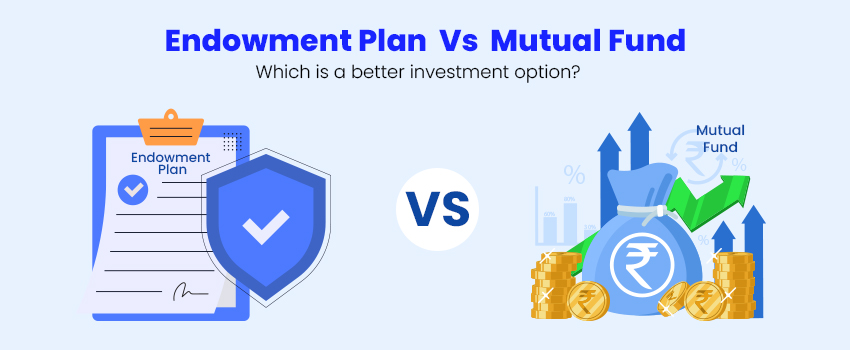

 Atharva Bhide



2 comments