Periods of market volatility often coincide with an overload of alarming headlines—geopolitical tensions, interest rate hikes, inflation concerns, or sudden moves in global assets. When combined with daily portfolio tracking, even disciplined investors can feel uneasy.
But volatility is not unusual. Markets have repeatedly faced wars, policy shifts, crises, and economic shocks. The key question for investors is not how to predict these events, but how to respond without disrupting long-term wealth creation.
1. Why Markets Become Volatile During Global Events
Market corrections often occur when multiple macro forces converge. Periods like early 2022 were influenced by factors such as:
- Geopolitical tensions
- Rising interest rates globally
- Elevated inflation
- Higher commodity prices
These developments create uncertainty about growth and earnings in the short term. Liquidity conditions also tighten, which can amplify market swings.
However, history shows that markets tend to absorb shocks over time as businesses adapt and economies adjust.
For investors, this reinforces an important principle: volatility is a feature of markets, not an exception.
2. The Long-Term Trend Matters More Than Short-Term Moves
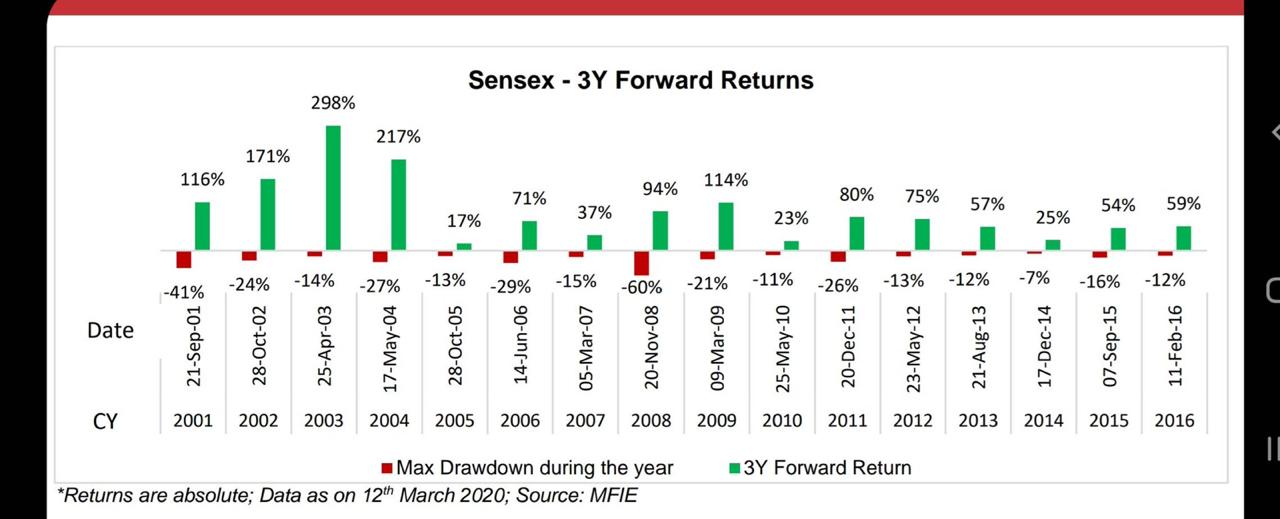
Looking at long-term market history, major indices have experienced numerous corrections, crises, and recoveries. Yet the broader trajectory over decades has remained upward, driven by economic growth and corporate earnings expansion.
Short-term declines often feel significant in the moment, but over longer horizons, markets have frequently recovered and moved higher.
This does not mean every decline is followed by an immediate rebound. Rather, it highlights that long-term participation in markets matters more than reacting to short-term uncertainty.
Let’s have a look at some data on how markets responded to corrections in the past.
3. Asset Allocation: The Foundation of a Peaceful Investing Experience
One of the most effective ways to manage volatility is maintaining a balanced asset allocation.
Diversification across different asset classes helps reduce the impact of sharp movements in any one segment. Typically, a combination of equities, debt instruments, and assets such as gold can provide stability because these assets often behave differently across market cycles.
A structured allocation offers two key benefits:
- It protects the portfolio from extreme swings
- It reduces the emotional pressure to make reactive decisions during market declines
In practice, investors who stick to their planned allocation tend to navigate volatility more comfortably.
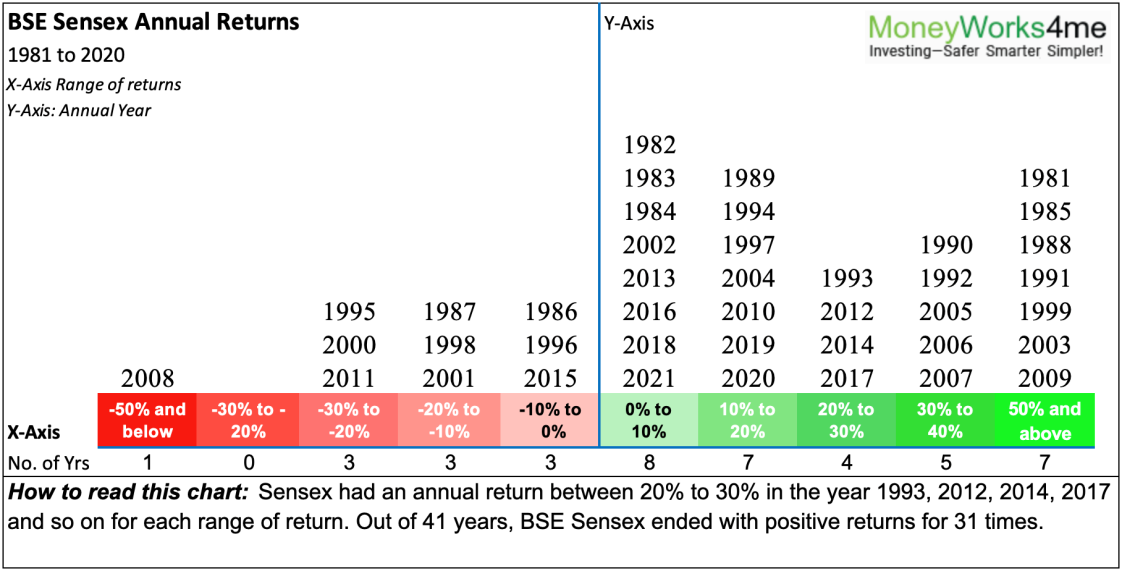
The above data is the reason we recommend not to disturb the equity portion in your asset allocation. Changing your asset allocation frequently will only reduce long-term returns or missing out on the target corpus.
4. Managing Expectations During Market Corrections
Market downturns can trigger strong emotional reactions. A disciplined framework helps investors avoid decisions that can hurt long-term returns.
A few principles are particularly useful during volatile periods:
- Invest only the surplus meant for long-term goals
- Avoid reacting to short-term market noise
- Do not chase extreme return expectations
- Focus on business quality and valuation rather than price movements
- Stay invested for the duration required to achieve financial goals
The most important variable in wealth creation is often time spent invested, not short-term market timing.
Blog on Gold Investing.
Our Omega Multi-Asset Portfolio Advisory solution was built exactly to achieve the purpose of this blog.
Lastly, abide by the wealth-building formula.

- Ensure you stay invested with the surplus that you have earmarked for long-term investing. Do not sell our recommended stocks in panic unless advised. These times are best spent staying invested.
- Avoid expecting extreme outcomes from your investments. Most disappointments happen when extreme expectations are set. Check this blog by our Founder, Raymond Moses on expectations. Don’t chase very high returns and be tempted to achieve it by buying more when the market is falling and you are seeing lower prices. Remember, when seen from the recent highs, some prices will seem attractive, but they may not be when seen from their intrinsic value. When that happens we will guide you to invest in the best stocks.
- The exponential figure is the number of years that you stay invested, and that’s what the game-changer is. Stay invested as long as it is required to meet your pre-set goals.
The Bottom Line
Volatility is an inevitable part of investing. Global events, policy changes, and economic cycles will continue to influence markets from time to time. But history shows that long-term investors who maintain discipline and asset allocation tend to navigate these phases more effectively.
The focus should remain on process—investing in quality businesses, maintaining diversification, and staying aligned with long-term goals.
A Note from MoneyWorks4Me
At MoneyWorks4Me, our approach combines valuation-driven stock selection with disciplined portfolio construction and asset allocation. By focusing on research and long-term fundamentals, we aim to help investors navigate volatility with greater clarity and confidence.
Check our next blog on “what are the right actions that you should take now“.
Top Picks For You:
Best Nifty 50 Stocks at Fair Value Best Stocks from Nifty 500 Best Dividend Stocks Nifty SmallCap 250 Undervalued Stocks